Modern ransomware no longer stops at production systems; it actively hunts backups, admin consoles, replication targets, and cloud credentials. That is why air-gapped storage has moved from a niche disaster recovery tactic to a core enterprise security and compliance control. The best platforms do more than isolate data: they combine immutability, strict identity controls, automated recovery workflows, and audit-ready reporting.
TLDR: Air-gapped storage protects critical data by separating backup copies from day-to-day networks and administrative access. Leading platforms now offer a mix of physical isolation, logical air gaps, immutable storage, and cyber recovery orchestration. Enterprises should choose solutions based on recovery speed, compliance reporting, integration with existing infrastructure, and resistance to credential-based attacks.
Why Air-Gapped Storage Matters Now
Traditional backup strategies were designed for accidental deletion, hardware failure, and regional outages. Today’s threat model is different. Attackers may spend weeks inside an environment, escalating privileges and quietly identifying backup repositories before launching encryption or destructive attacks. If backups are online, writable, and reachable with compromised credentials, they may be destroyed before the security team even sees the ransom note.
Air-gapped storage addresses this risk by keeping a protected copy of data outside the normal attack path. In its strictest form, that means a physically disconnected system or removable media. In modern enterprise environments, it may also mean a heavily controlled cyber vault, immutable object storage, isolated credentials, one-way replication, or storage that can be made accessible only during specific recovery windows.
What Defines a Leading Platform?
Not all “air-gapped” products offer the same level of resilience. A serious enterprise platform should include several key capabilities:
- Isolation: Data copies should be segregated from production networks, domains, and administrative identities.
- Immutability: Stored backups should be protected from alteration or deletion for a defined retention period.
- Automated recovery: The platform should help teams validate, catalog, and restore clean data quickly.
- Compliance support: Audit logs, retention policies, legal hold, encryption, and role-based access are essential.
- Threat detection: Leading tools analyze backup data for abnormal changes, malware indicators, or suspicious encryption patterns.
- Operational practicality: Security is valuable only if the platform can scale, integrate, and be managed without excessive complexity.
Dell PowerProtect Cyber Recovery
Dell PowerProtect Cyber Recovery is one of the better-known enterprise cyber vault solutions. It creates an isolated recovery environment where critical backup copies are replicated and protected behind strict access controls. The vault is typically separated from production infrastructure and can be locked down so that even if the primary environment is compromised, the recovery copy remains intact.
Its strength lies in combining Dell’s backup ecosystem with automated workflows for data isolation, integrity checking, and recovery readiness. Many large organizations value its integration with PowerProtect Data Domain appliances, especially where high-volume backup performance and deduplication are important. For compliance-focused environments, its reporting and retention features help demonstrate that protected copies are maintained according to policy.
IBM Storage Defender and Tape-Based Air Gaps
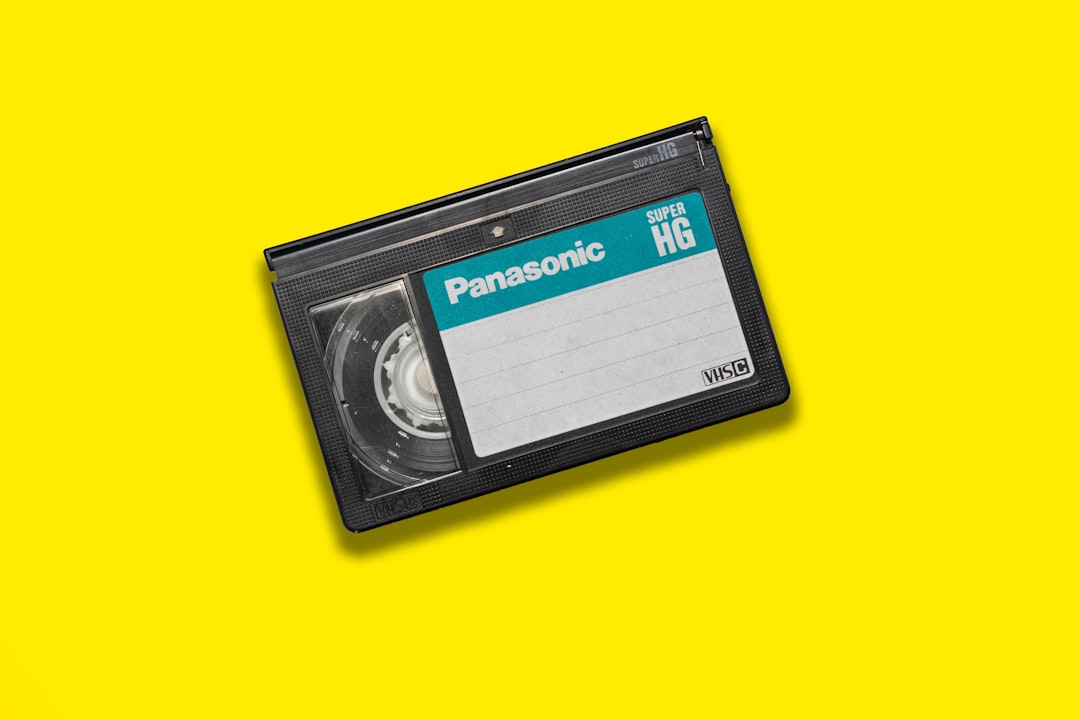
IBM brings a long history of enterprise storage to the air-gap conversation. IBM Storage Defender focuses on cyber resilience across storage environments, while IBM’s tape platforms remain highly relevant for organizations that want a true physical air gap. Tape may sound old-fashioned, but it is still widely used in finance, government, healthcare, and research because it is durable, economical at scale, and easy to store offline.
The strongest use case for IBM-style architectures is long-term retention and regulatory preservation. Tape libraries can be integrated into automated workflows, while selected cartridges can be removed and stored in secure facilities. This creates a level of physical separation that logical controls alone cannot always match.
Rubrik Security Cloud
Rubrik Security Cloud is designed around immutable backups, policy-driven management, and cyber recovery. Its platform emphasizes rapid recovery from ransomware by helping teams identify clean recovery points, understand the blast radius of an incident, and restore business-critical systems with confidence.
Rubrik’s appeal is its user experience and security-centric design. Rather than treating backup as a passive archive, it positions backup data as a source of intelligence. Features such as anomaly detection, sensitive data discovery, and role-based access controls support both security operations and compliance teams. While Rubrik’s air gap is usually logical rather than purely physical, its immutability and layered controls make it a strong fit for hybrid cloud enterprises.
Cohesity DataProtect and FortKnox
Cohesity offers a broad data protection platform, and its FortKnox offering provides an isolated, cloud-based cyber vault. The goal is to keep an additional immutable copy outside the customer’s primary environment, reducing the risk that compromised internal accounts can destroy all recovery options.
Cohesity is particularly attractive for enterprises that want to consolidate backup, file services, object storage, and cyber resilience functions under a common management model. Its ransomware detection and recovery features can help security teams understand when data changed abnormally and which recovery points are likely trustworthy. For compliance, Cohesity supports retention controls and audit visibility that can align with governance requirements.
Commvault Cloud and Cleanroom Recovery
Commvault Cloud is another mature platform with deep support for complex enterprise estates, including virtual machines, databases, SaaS, endpoints, and cloud workloads. Its strengths include wide workload coverage, flexible storage targets, and strong policy management. Commvault also supports air-gapped and logically isolated architectures through immutable storage, isolated copies, and cyber recovery workflows.
A notable advantage is its ability to support cleanroom recovery strategies. Instead of restoring directly back into a potentially compromised environment, organizations can recover into a controlled, isolated location for validation and forensic review. This is increasingly important for regulated enterprises that must prove not only that data is recoverable, but that restored systems are safe to reconnect.
Veeam with Hardened Repositories
Veeam is widely used across mid-market and enterprise environments, especially for virtualized and hybrid infrastructure. Its hardened Linux repository feature provides immutable backup storage by using restricted permissions and time-based protection. When properly configured, backups cannot be modified or deleted before the immutability period expires.
Veeam’s value is its flexibility. It can be paired with on-premises storage, object storage, tape, and cloud repositories to create layered protection. While Veeam itself is not a single sealed cyber vault in every deployment, it can form the backbone of a strong air-gapped strategy when combined with offline media, separate credentials, network segmentation, and immutable targets.
Cloud Object Storage with Immutability
Cloud platforms also play an important role. Services such as Amazon S3 Object Lock, Azure immutable blob storage, and Google Cloud object retention policies can help enterprises create write-once, read-many storage models. These are not physical air gaps, but they can provide strong protection against deletion and tampering when configured in compliance mode.
The key is governance. Cloud immutability must be paired with strict identity management, separate administrative accounts, encryption, monitoring, and careful retention design. Misconfigured cloud storage can create a false sense of security, but properly implemented immutable object storage is a powerful addition to a cyber resilience program.
Choosing the Right Platform
The best air-gapped storage platform depends on risk profile, regulatory obligations, budget, and recovery expectations. A bank running mission-critical transaction systems may need an isolated cyber vault with rapid recovery orchestration. A government agency may prioritize offline tape and strict chain-of-custody procedures. A SaaS company may prefer immutable cloud storage with automated validation and fast restoration.
Before selecting a platform, enterprises should ask several practical questions:
- How quickly must critical systems be restored?
- Can administrators delete or alter protected backups?
- Are backup credentials separated from production identity systems?
- Is there a tested process for recovering into a clean environment?
- Can the organization prove retention and integrity to auditors?
- How often are recovery drills performed?
Final Thoughts
Air-gapped storage is not a single product category so much as a security architecture. The strongest enterprises often combine multiple layers: immutable disk backups for fast restores, isolated cyber vaults for ransomware recovery, cloud object lock for scalable retention, and tape for long-term offline preservation.
Platforms from Dell, IBM, Rubrik, Cohesity, Commvault, Veeam, and major cloud providers all offer valuable approaches, but none should be treated as “set and forget.” The real measure of success is whether the organization can restore clean, trusted data under pressure. In an era where attackers target recovery systems first, a well-designed air-gapped storage strategy may be the difference between a costly outage and a controlled incident response.

Where Should We Send
Your WordPress Deals & Discounts?
Subscribe to Our Newsletter and Get Your First Deal Delivered Instant to Your Email Inbox.
Thank you for subscribing.
Something went wrong.