When the Legato service on Windows becomes stuck in a restart loop, it can disrupt backups, delay restores, and put critical data at risk. This issue often appears without warning, leaving administrators scrambling to diagnose repeated service failures. While the root cause can vary—ranging from corrupted configuration files to dependency failures—there are proven methods to restore stability quickly and safely. This guide outlines a structured, professional approach to resolving the issue and preventing it from returning.
TLDR: If Legato is caught in a restart loop on Windows, first examine Event Viewer and Legato logs to identify the root cause. Check service dependencies, validate configuration files, and ensure proper permissions and updated patches. Repair corrupted components and clear temporary or database lock files if necessary. Following a systematic process will typically stop the loop and restore normal service operation.
Understanding the Legato Restart Loop Problem
The Legato Networker service (often used for enterprise backup and recovery solutions) may enter a restart loop when the Windows Service Control Manager repeatedly attempts to start it after a failure. The service appears to start briefly, then stops unexpectedly, triggering automatic restart attempts.
Common symptoms include:
- Repeated “Starting” then “Stopped” status in the Services console
- Event ID errors in Windows Event Viewer
- Backup jobs failing or pending indefinitely
- High CPU usage caused by repeated restart attempts
Image not found in postmeta
Before implementing fixes, it is essential to identify the exact failure trigger. Guesswork can prolong downtime and increase data risk.
Step 1: Review Windows Event Viewer Logs
The first and most important step is inspecting the Windows Event Viewer. This tool provides details about why the service is stopping.
To access Event Viewer:
- Press Win + R
- Type eventvwr.msc
- Navigate to Windows Logs → Application
Look for:
- Service termination errors
- Dependency failures
- Permission-denied messages
- DLL or runtime errors
Document any relevant error codes. These codes often directly indicate whether the issue is related to missing components, corrupted files, or account permission problems.
Step 2: Check Legato Service Dependencies
Legato may depend on other services such as:
- Remote Procedure Call (RPC)
- Windows Management Instrumentation (WMI)
- SQL Server (if configured)
- Network-related services
If any dependency fails to start, Legato may enter a restart cycle.
To check dependencies:
- Open Services (services.msc)
- Right-click the Legato service
- Select Properties
- Click the Dependencies tab
Ensure every listed service is running properly. Restart any failed services before attempting to start Legato again.
Step 3: Validate the Legato Configuration and Database Files
Corrupt configuration files are a frequent cause of restart loops. An unexpected shutdown, disk error, or incomplete update may damage critical components.
Focus on checking:
- The nsr directory
- Bootstrap files
- Lock files in the database folder
Image not found in postmeta
Important: Before making changes, create a full backup of the Legato configuration directory.
If lock files exist and the service is not legitimately running, safely remove those lock files and try restarting the service. Corrupted index or media database files may require restoration from the most recent valid backup.
Step 4: Verify Service Account Permissions
Legato typically runs under a designated service account. If Windows credentials change, or if group policy modifications affect permissions, the service may fail to authenticate during startup.
Confirm the following:
- The service account password is current
- The account is not locked out
- The account has Log on as a service rights
- NTFS permissions allow full access to Legato directories
To review service credentials:
- Open Services
- Right-click the Legato service
- Select Properties
- Navigate to the Log On tab
If necessary, re-enter the password and apply changes. Then manually start the service to test.
Step 5: Disable Automatic Restart Temporarily
While troubleshooting, disable the automatic restart function. This prevents repeated attempts that obscure the original crash event.
To disable automatic restart:
- Open Services
- Right-click Legato
- Select Properties
- Go to the Recovery tab
- Set “First failure” and “Second failure” to Take No Action
This allows you to manually start the service and observe detailed errors without interference.
Step 6: Check for Port Conflicts
Legato requires specific TCP ports to operate properly. If another application uses the same port, the service may crash upon startup.
Use the following command in Command Prompt (run as administrator):
netstat -ano | findstr :portnumber
If another process occupies a required port, identify it using:
tasklist | findstr PID
Terminate the conflicting service or reconfigure port assignments as needed.
Step 7: Repair or Reinstall the Legato Software
If logs indicate missing components or corrupted binaries, a software repair may resolve the issue.
Recommended approach:
- Stop the service completely
- Backup all configuration and database files
- Run the installer in Repair mode
- Reboot the system
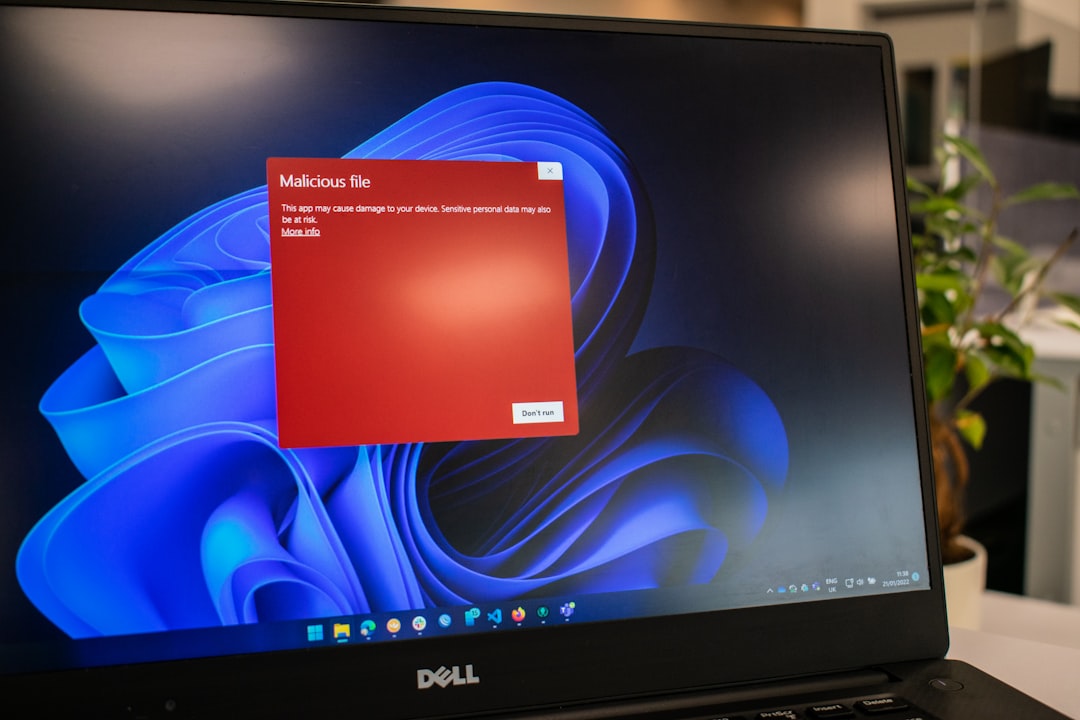
A full reinstallation should only be considered if repair fails. Ensure that all system and registry remnants are properly cleaned before reinstalling to avoid recreating the restart loop.
Step 8: Review Recent System Changes
Restart loops commonly occur after:
- Windows Updates
- Security patch installations
- Antivirus changes
- Firewall reconfiguration
Check whether:
- Antivirus is blocking Legato executables
- Firewall rules prevent required network communication
- Recent updates modified system DLLs
Temporarily disable antivirus software (if policy allows) to test whether it is causing interference. If confirmed, whitelist all necessary Legato processes.
Step 9: Examine Disk Health and Storage Availability
If the system drive or backup storage is full, Legato may fail during initialization.
Verify:
- At least 15–20% free disk space on system volume
- Log directories are not full
- No disk corruption exists
Run:
chkdsk /f
Disk integrity issues often lead to file corruption and failed service startups.
Preventing Future Restart Loops
Once the immediate issue is resolved, implement preventive measures to avoid recurrence:
- Schedule regular configuration backups
- Monitor event logs automatically using alerts
- Keep Windows and Legato versions supported and updated
- Use stable service accounts with non-expiring passwords
- Maintain adequate disk space buffers
Proactive monitoring is particularly important in enterprise environments. Automated alerts can notify administrators before a restart loop escalates into data unavailability.
When to Escalate
If the restart loop persists after configuration validation, service dependency checks, and software repairs, escalation may be necessary. Contact enterprise support with:
- Recent log excerpts
- Exact error codes
- System version details
- Recent update history
Providing comprehensive technical data allows support engineers to diagnose kernel-level conflicts or licensing corruption more efficiently.
Final Thoughts
A Legato restart loop on Windows is disruptive but rarely unsolvable. Most cases stem from configuration inconsistencies, permission issues, dependency failures, or file corruption. By following a structured and disciplined troubleshooting process—starting with logs and progressing through targeted system checks—you can reliably restore normal operation.
In production environments where backup continuity is essential, treating restart loops with urgency is critical. Careful documentation, systematic verification, and sound preventive practices ensure that your Windows-based Legato deployment remains stable, secure, and dependable.

Where Should We Send
Your WordPress Deals & Discounts?
Subscribe to Our Newsletter and Get Your First Deal Delivered Instant to Your Email Inbox.
Thank you for subscribing.
Something went wrong.