EDP usually means Electronic Data Processing or Enterprise Data Platform, depending on who says it and where you hear it. In plain English, it is about collecting, storing, processing, protecting, or using business data.
TLDR: EDP has several tech meanings, but the big two are Electronic Data Processing and Enterprise Data Platform. If a finance team says EDP, they may mean systems that process payroll, invoices, or reports. If a data team says EDP, they may mean one central platform for data, dashboards, machine learning, and analytics. Example: a retail team with 120 stores might use an EDP to shrink weekly sales reporting from 8 hours to 25 minutes.
Why does EDP mean different things?
Because tech loves short names. Too much, honestly.
EDP is one of those acronyms that changes meaning by team, tool, and decade. A payroll manager may use it one way. A data engineer may use it another way. A cybersecurity analyst may mean something else again.
That can get annoying fast. You join a meeting. Someone says, “We need to fix EDP.” Then five people nod. None of them mean the same thing. Great. That is how a 15 minute meeting becomes 47 minutes.
So let’s unpack the common meanings in simple terms.
1. EDP as Electronic Data Processing
Electronic Data Processing is the classic meaning of EDP.
It means using computers to handle data instead of doing it by hand. Think invoices, payroll, bank records, insurance claims, school grades, inventory, and tax forms.
Before modern apps, companies had “EDP departments.” These teams ran business data through large computer systems. The name sounds old, but the idea is still everywhere.
Common Electronic Data Processing tasks include:
- Collecting data from forms or systems.
- Checking data for errors.
- Sorting and storing records.
- Running calculations.
- Creating reports.
- Sending results to other systems.
A simple example is payroll. Employees work hours. The system reads those hours. It applies pay rates, taxes, benefits, and deductions. Then it creates payslips and bank payment files.
That is EDP. Not glamorous. Very useful.
2. EDP as Enterprise Data Platform
In newer data teams, EDP often means Enterprise Data Platform.
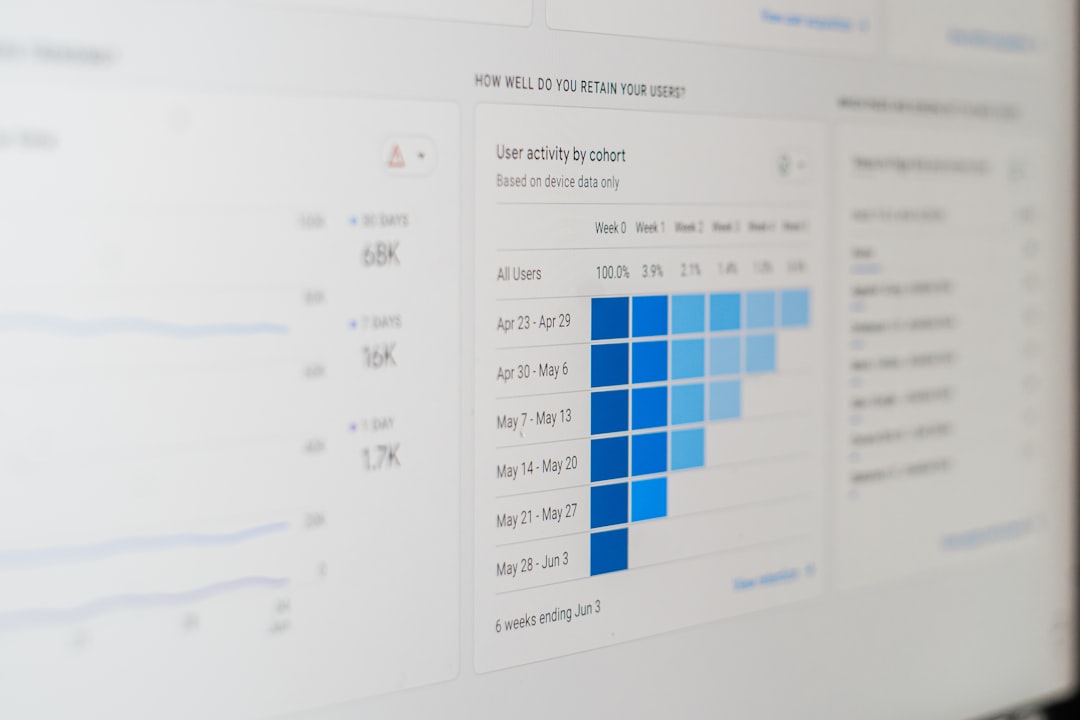
This is a central system for company data. It pulls data from many places. Then it stores, cleans, organizes, and shares it.
Picture a big company. It may have data in sales tools, customer support apps, websites, warehouses, finance software, mobile apps, and marketing tools. That data is scattered. Messy too. Names do not match. Dates look different. Customer IDs go missing. Fun? Not really.
An Enterprise Data Platform gives the business one main place to work with that data.
It may include:
- Data warehouses for structured reports.
- Data lakes for raw files and large data sets.
- Data pipelines that move data between systems.
- Data catalogs so people can find trusted data.
- Governance tools to control access and rules.
- Analytics tools for dashboards and reports.
- Machine learning tools for predictions.
Here is a simple user case.
A subscription company has 500,000 customers. Marketing tracks email clicks. Support tracks complaints. Billing tracks failed payments. Product tracks app usage. Without an EDP, each team sees only one slice. With an EDP, analysts can spot patterns. For example, customers with 3 support tickets and 2 failed logins in one week may have a 38% higher churn risk.
That is where EDP becomes powerful.
3. EDP as Event Driven Processing
Another common meaning is Event Driven Processing.
This means systems react when something happens. The “something” is an event.
Examples of events:
- A customer places an order.
- A sensor reports a high temperature.
- A credit card payment fails.
- A user resets a password.
- A package changes delivery status.
With event driven processing, software does not wait for a human to click a button. It responds right away.
Say a customer buys shoes online. That order event can trigger several actions. Inventory updates. Payment is checked. A confirmation email goes out. The warehouse gets a pick list. The customer app shows the order status.
All of that can happen in seconds.
This type of EDP is common in streaming platforms, cloud apps, online retail, banking, and Internet of Things systems.
4. EDP as Endpoint Data Protection
In security talks, EDP may mean Endpoint Data Protection.
An endpoint is a device. A laptop. A phone. A tablet. A desktop. Sometimes a server.
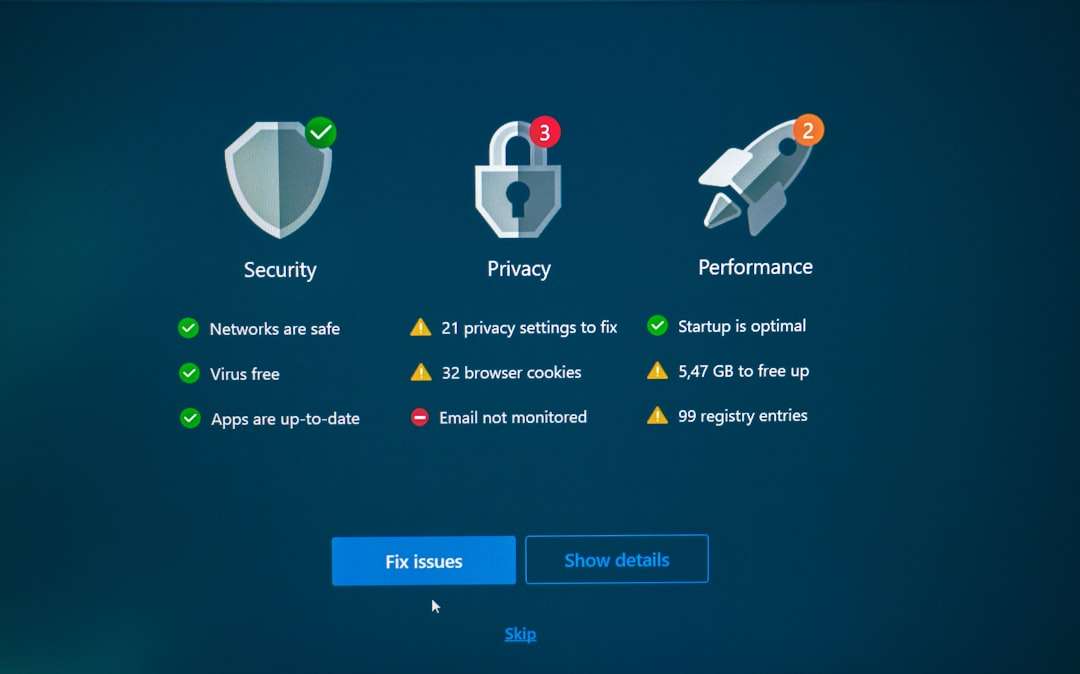
Endpoint Data Protection helps keep data safe on those devices. It may block risky file transfers. It may encrypt storage. It may stop users from copying sensitive data to USB drives. It may alert security teams when files move in strange ways.
This matters because people lose laptops. People click bad links. People send spreadsheets to the wrong address. It happens. More than anyone wants to admit.
A common setup may protect:
- Customer records.
- Health data.
- Payment data.
- Legal files.
- Employee records.
- Source code.
Expect some friction here. Security tools can be fussy. Sometimes saving a simple file takes 10 extra seconds because the tool scans it, tags it, and asks if you really meant to do that. Annoying? Yes. Better than leaking 20,000 customer records? Also yes.
5. EDP as Enterprise Development Program
This one is less about systems and more about people.
Some companies use EDP to mean Enterprise Development Program. It may be a training program for graduates, engineers, analysts, or future managers.
In this case, EDP is not a data platform. It is a career path. People rotate through teams. They learn tools. They work on projects. They build business skills.
You may see this meaning in HR portals, job posts, and internal learning sites.
How to know which EDP meaning is correct
Use the room as your clue.
If finance, operations, or admin teams are talking, EDP may mean Electronic Data Processing. If data engineers or BI teams are talking, it likely means Enterprise Data Platform. If cloud architects mention streams, queues, or events, it may mean Event Driven Processing. If security teams are involved, check for Endpoint Data Protection.
Also look at nearby words.
- Reports, payroll, batch jobs: Electronic Data Processing.
- Warehouse, lake, pipeline, catalog: Enterprise Data Platform.
- Events, topics, queues, streams: Event Driven Processing.
- Laptops, encryption, DLP, devices: Endpoint Data Protection.
- Training, rotations, graduates: Enterprise Development Program.

EDP versus ERP, ETL, and DLP
EDP also gets mixed up with nearby acronyms.
ERP means Enterprise Resource Planning. It is business software for finance, HR, supply chain, purchasing, and operations.
ETL means Extract, Transform, Load. It is a data movement process. It takes data from one place, changes it, and loads it somewhere else.
DLP means Data Loss Prevention. It is a security method that stops sensitive data from leaking.
An Enterprise Data Platform may use ETL. It may pull data from an ERP. It may include DLP rules. So yes, the acronyms pile up. No wonder people sigh.
Why EDP still matters
EDP matters because every company runs on data now. Small shops track orders. Hospitals track patient records. Banks track transactions. Factories track machines. Apps track clicks.
If data is slow, bad, lost, or unsafe, the business feels it.
A good EDP setup can help teams:
- Make reports faster.
- Reduce manual work.
- Catch errors earlier.
- Improve customer service.
- Protect sensitive records.
- Support analytics and AI projects.
The simple way to remember EDP
Think of EDP as a “data work” acronym.
Sometimes it means old school data processing. Sometimes it means a modern company wide data hub. Sometimes it means systems reacting to events. Sometimes it means protecting laptops and files.
The best move is simple. Ask, “Which EDP do you mean?” It is not a silly question. It saves time. It saves confusion. It may even save that meeting from turning into acronym soup.
Short version: EDP is about making data useful, fast, and safe. The exact meaning depends on the team using it.

Where Should We Send
Your WordPress Deals & Discounts?
Subscribe to Our Newsletter and Get Your First Deal Delivered Instant to Your Email Inbox.
Thank you for subscribing.
Something went wrong.