For many competitive gamers, attending a major esports event is more than just showing up for matches—it is a full-scale experience that often includes camping outside venues, staying in festival-style accommodations, or setting up temporary gaming stations near arenas. Veteran pros understand that success at these events is not only about mechanics and strategy, but also about preparation, comfort, and efficient setup. Proper camping and gear planning can mean the difference between peak performance and early burnout.
TLDR: Esports event camping requires thoughtful preparation, lightweight but high-performance gear, and a smart gaming setup that balances comfort and mobility. Pro gamers prioritize reliable power solutions, ergonomic essentials, weather-proof shelter, and secure equipment storage. Strategic packing and venue awareness help maintain focus and health throughout multi-day tournaments. With the right plan, players can stay sharp, comfortable, and competition-ready from day one to the grand finals.
Understanding Esports Event Camping Culture
Large-scale esports tournaments often resemble music festivals in energy and scale. Fans and competitors line up early for prime spots, exclusive merch, or limited practice access. Some venues encourage outdoor camping, while others have nearby campsites or designated overnight waiting areas.
Professional players approach these scenarios with a mindset focused on:
- Energy conservation
- Health maintenance
- Equipment safety
- Efficient mobility
Unlike casual attendees, pros treat camping as an operational setup. Every item has a purpose, and unnecessary weight is eliminated.
Choosing the Right Shelter Setup
Shelter is the foundation of esports event camping. Players need a structure that protects both them and their valuable gear.
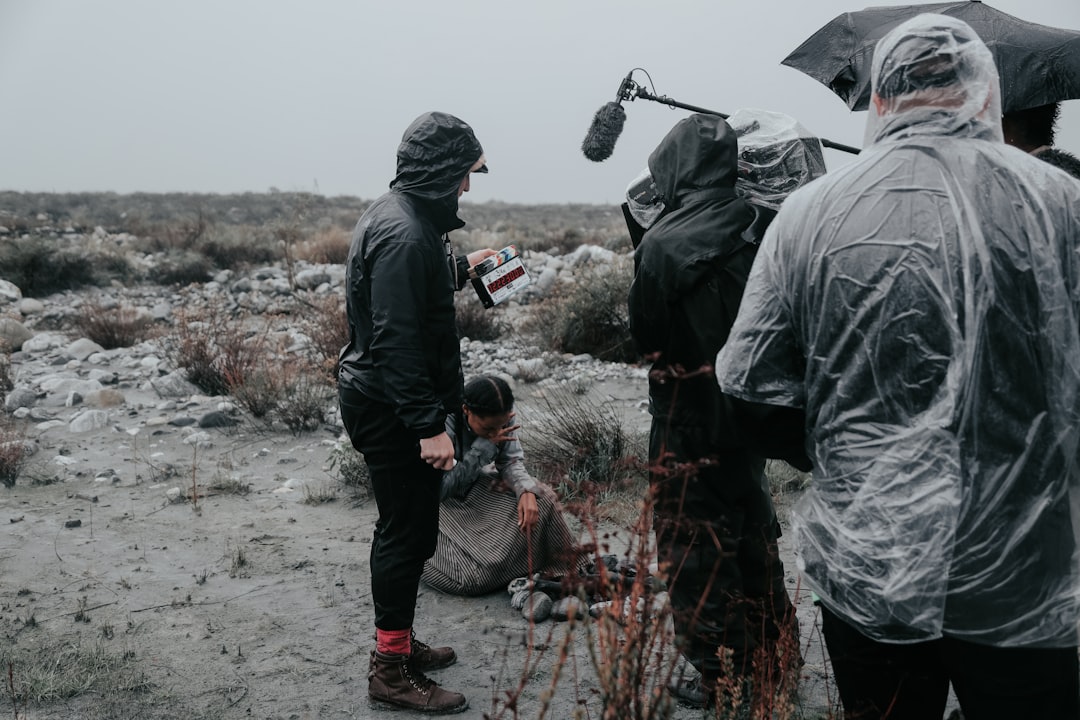
Key shelter priorities include:
- Water resistance: Electronics and moisture never mix.
- Compact size: Easy to transport between venue and campsite.
- Ventilation: Prevents overheating and humidity buildup.
- Quick assembly: Saves time and effort after long match days.
Many pros favor lightweight backpacking tents with double-layer waterproofing. Some also bring compact canopies for shaded outdoor warmups or team strategy sessions.
Pro Tip: A small footprint tarp placed under the tent adds an extra moisture barrier and protects cables and gear bags from dirt.
Power Solutions: The Lifeline of Competitive Play
No power means no practice. Even if the main tournament provides stations, downtime practice, VOD reviews, and scrims often happen off-site. Smart players always plan independent power access.
Reliable power solutions include:
- High-capacity portable power stations
- Surge-protected power strips
- Long braided extension cords
- High-speed charging cables
- Backup battery banks
Portable lithium power stations are particularly popular among pro squads. They are quieter and safer than gas generators and can charge laptops, monitors, routers, and smartphones simultaneously.
Important: Always verify venue rules regarding external power sources before bringing large batteries.
The Ideal Portable Gaming Setup
Transporting a full gaming rig is rarely practical, but pros build streamlined mobile setups that preserve competitive standards.
Image not found in postmeta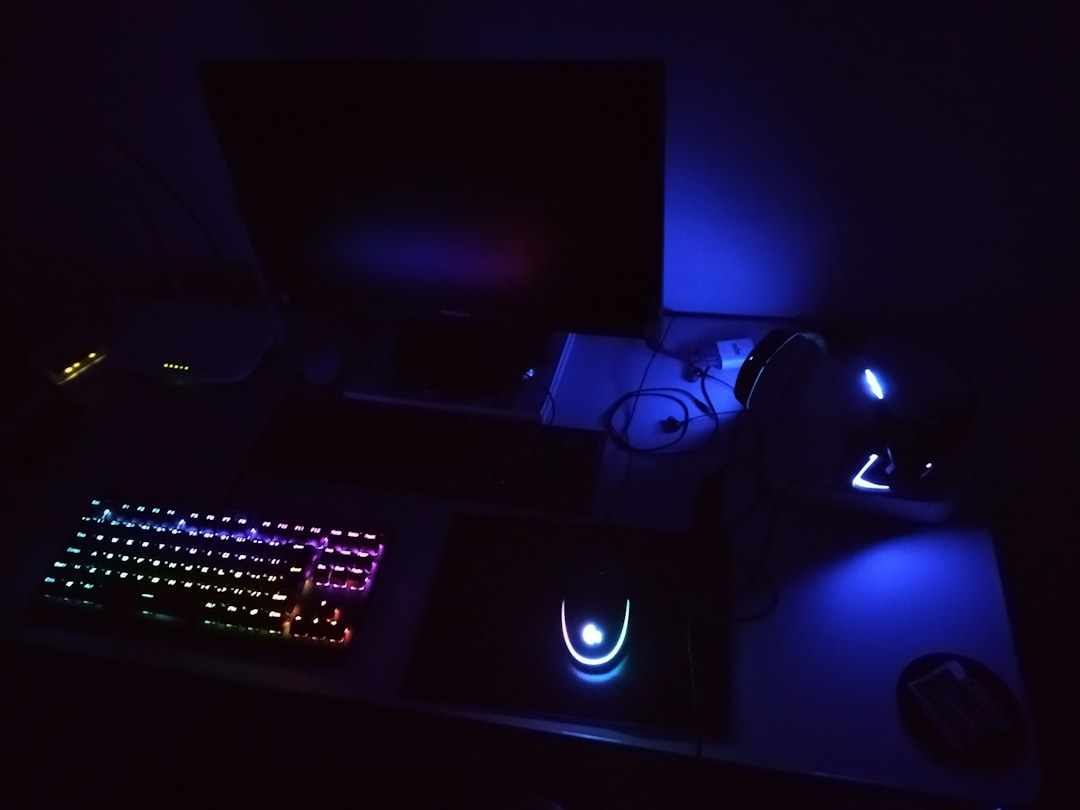
Core portable gear checklist:
- Lightweight laptop or compact PC with tournament-level specs
- Mechanical keyboard (preferred switches and layout)
- High-DPI gaming mouse with mousepad
- Noise-isolating headset
- Portable 144Hz or higher monitor
Even if the event provides peripherals, professional players often bring their own to maintain muscle memory. Subtle differences in key actuation or mouse weight can impact performance.
Cable management is another overlooked factor. Velcro straps and labeled cords prevent chaos during quick transitions between warmup and match areas.
Ergonomics and Physical Health
Long tournament days strain the neck, wrists, and back. Camping conditions can amplify discomfort if not planned properly.
Essential ergonomic additions:
- Compact lumbar support cushion
- Foldable gaming chair or seat pad
- Wrist rest for keyboard sessions
- Blue light filtering glasses
Hydration systems are equally important. Dehydration reduces reaction speed and focus. Many seasoned players bring:
- Insulated water bottles
- Electrolyte powders
- High-protein snack packs
Sleep consistency is critical. Noise-canceling earbuds and sleep masks help players recover properly despite lively event environments.
Weather Preparedness Strategies
Outdoor event conditions are unpredictable. Rain, heat, or cold temperatures can derail focus quickly.
Image not found in postmeta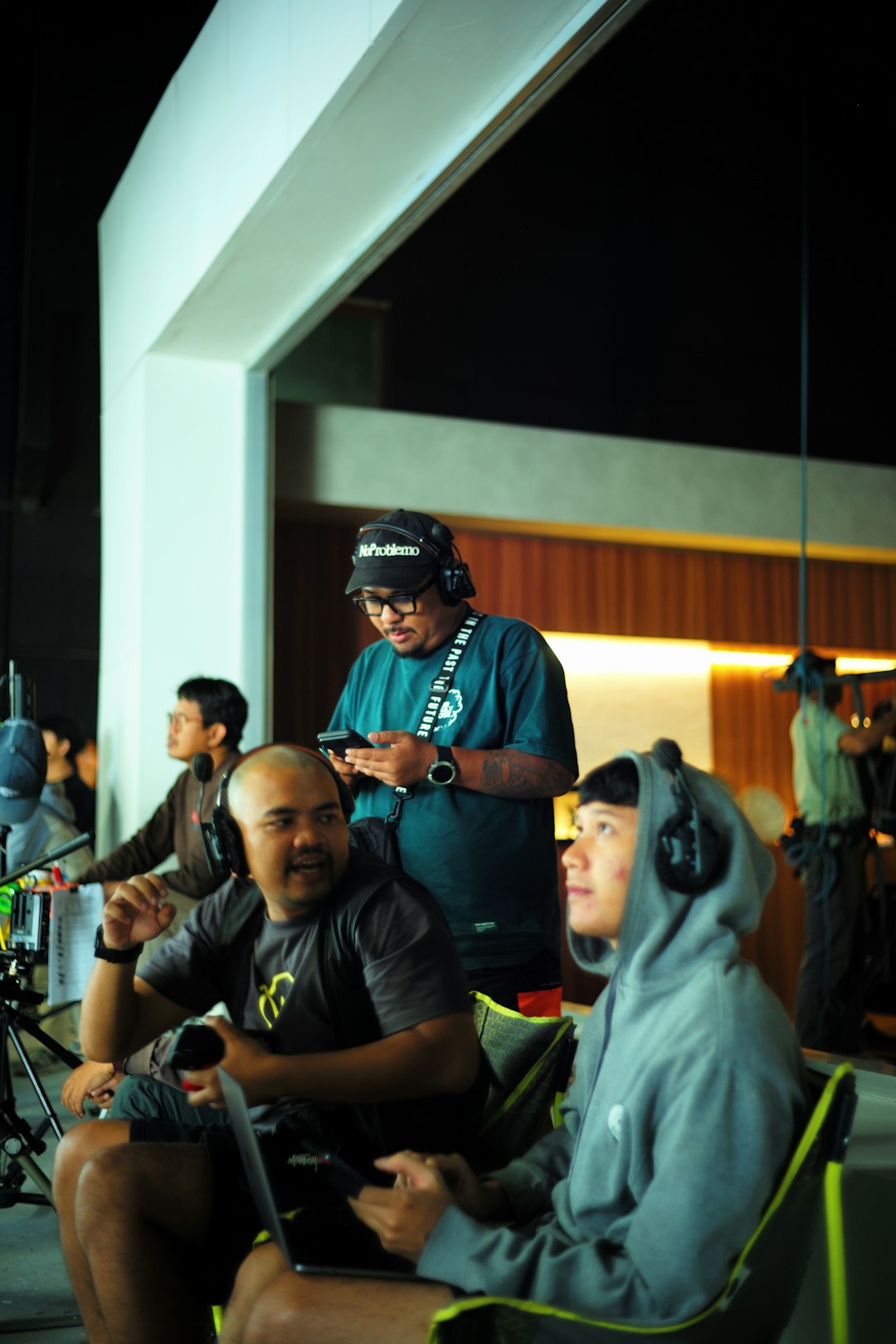
Smart weather gear includes:
- Lightweight waterproof jacket
- Breathable layered clothing
- Compact umbrella
- Quick-dry microfiber towels
Hot climates require cooling towels and portable fans. Cold-weather events demand thermal base layers and insulated gloves (especially for those waiting in lines).
Professionals always check forecasts daily and adapt their packing strategy accordingly.
Security and Equipment Protection
High-end gaming equipment attracts attention. Theft or damage can end a tournament run before it begins.
Security best practices:
- Lockable hard-shell carrying cases
- GPS trackers in gear bags
- Luggage locks for tents
- Never leaving equipment unattended
Teams often rotate supervision schedules when camping in groups. Trust is valuable—but active monitoring is essential.
Connectivity and Network Awareness
While tournament matches rely on official networks, off-stage practice requires stable internet. Public Wi-Fi is rarely suitable for competitive preparation.
Connectivity tools:
- Portable hotspot with high data cap
- Backup SIM cards
- Ethernet cables for practice rooms
Downloading patches or updates before arriving at the venue prevents last-minute bandwidth issues.
Nutrition Strategy for Cognitive Performance
Pro players treat nutrition as part of training. Heavy junk food leads to crashes, while balanced intake sustains focus.
Smart camping nutrition plan:
- Slow-digesting carbohydrates
- Lean protein sources
- Mixed nuts and fruit
- Reduced sugar energy drinks
Small, frequent meals outperform large portions. Maintaining stable blood sugar contributes to consistent in-game decision-making.
Team Coordination and Role Assignment
For team-based esports, camping becomes a coordinated effort.
Assign roles such as:
- Gear logistics manager
- Nutrition handler
- Power and connectivity supervisor
- Schedule tracker
This prevents confusion and ensures smoother preparation. Clear communication reduces stress leading into matches.
Mental Conditioning in High-Energy Environments
Esports events are loud, crowded, and stimulating. Camping amplifies exposure to constant activity. Mental resilience techniques help players stay composed.
Popular focus strategies:
- Breathing exercises
- Short daily meditation sessions
- Warmup aim routines
- Limiting social media during competition days
Maintaining personal boundaries—even within a group setting—preserves competitive clarity.
Post-Event Breakdown and Efficient Exit
Once the tournament concludes, exhaustion sets in. Efficient breakdown preparation makes departure easier.
Smart exit checklist:
- Pack cables first and label them
- Inspect equipment for wear or damage
- Secure trash and leave campsite clean
- Recharge all power stations before travel
Professionals treat teardown as seriously as setup. Organized packing reduces lost gear and post-event stress.
Final Thoughts
Esports event camping blends competition, endurance, and lifestyle strategy. While mechanical skill wins matches, preparation sustains performance. By investing in smart gear, reliable power, ergonomic comfort, and well-planned logistics, professional gamers ensure they are ready for every round, every map, and every clutch moment.
Camping is not merely about surviving the event—it is about creating a controlled environment in unpredictable surroundings. That edge can make all the difference.
FAQ: Pro Gamer’s Guide to Esports Event Camping
-
Do professional gamers really camp at esports events?
Yes, especially at large multi-day tournaments or festival-style events. Some camp for early access, team bonding, or logistical convenience. -
What is the most important item to bring?
Reliable power solutions. Without dependable electricity, practice and device charging become major issues. -
Should players bring their own peripherals?
Absolutely. Personal keyboards, mice, and headsets preserve muscle memory and comfort. -
How can gamers protect expensive equipment while camping?
Use lockable hard cases, GPS trackers, and never leave gear unattended. -
How do pros stay focused in loud environments?
They use noise-isolating headsets, mental conditioning techniques, and structured warmup routines. -
What food is best for long tournaments?
Balanced meals with protein, slow-digesting carbs, and hydration support consistent cognitive performance.

Where Should We Send
Your WordPress Deals & Discounts?
Subscribe to Our Newsletter and Get Your First Deal Delivered Instant to Your Email Inbox.
Thank you for subscribing.
Something went wrong.